By Susan Liao, Co-Founder of Digcue Technology and Audio Product Consultant
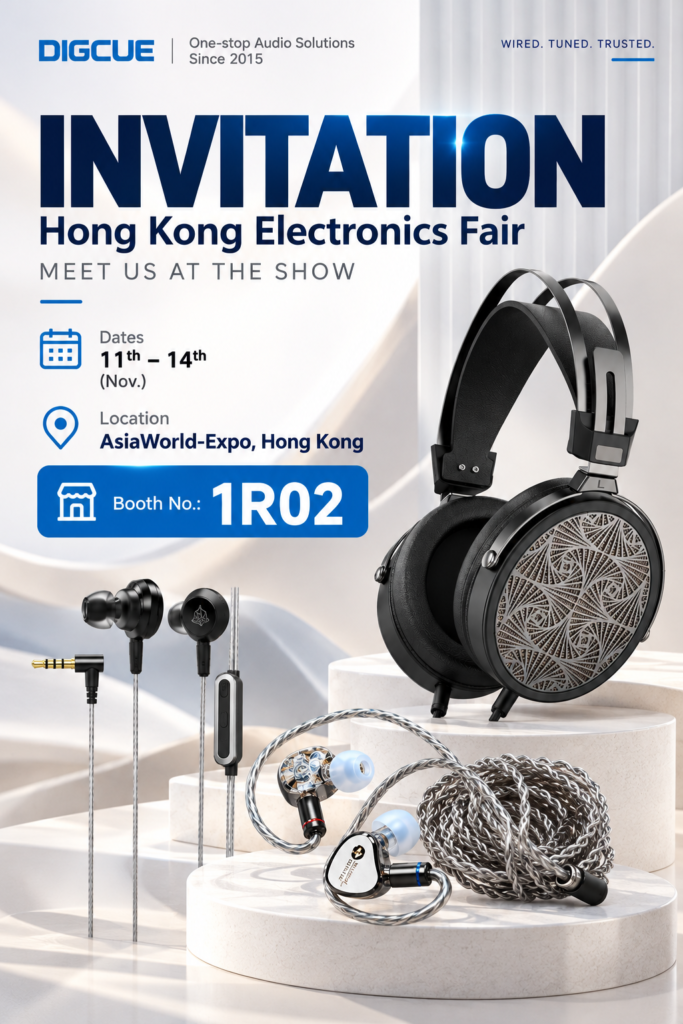
After visiting the Hong Kong Electronics Fair this October, I came home thinking about a question people often ask me:
“Is attending a trade fair still worthwhile?”
For me, its value has grown over time.
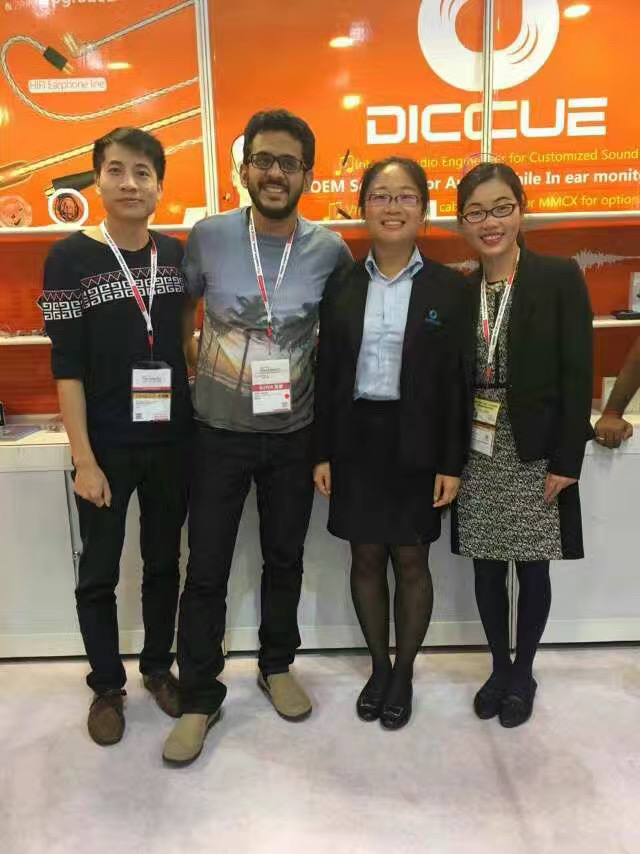
My connection with the Hong Kong Electronics Fair goes back ten years. Apart from the three pandemic years, I have attended every year. Today, walking through the exhibition halls means meeting familiar faces—suppliers, customers, and people I have known for years whose projects have yet to bring us together.
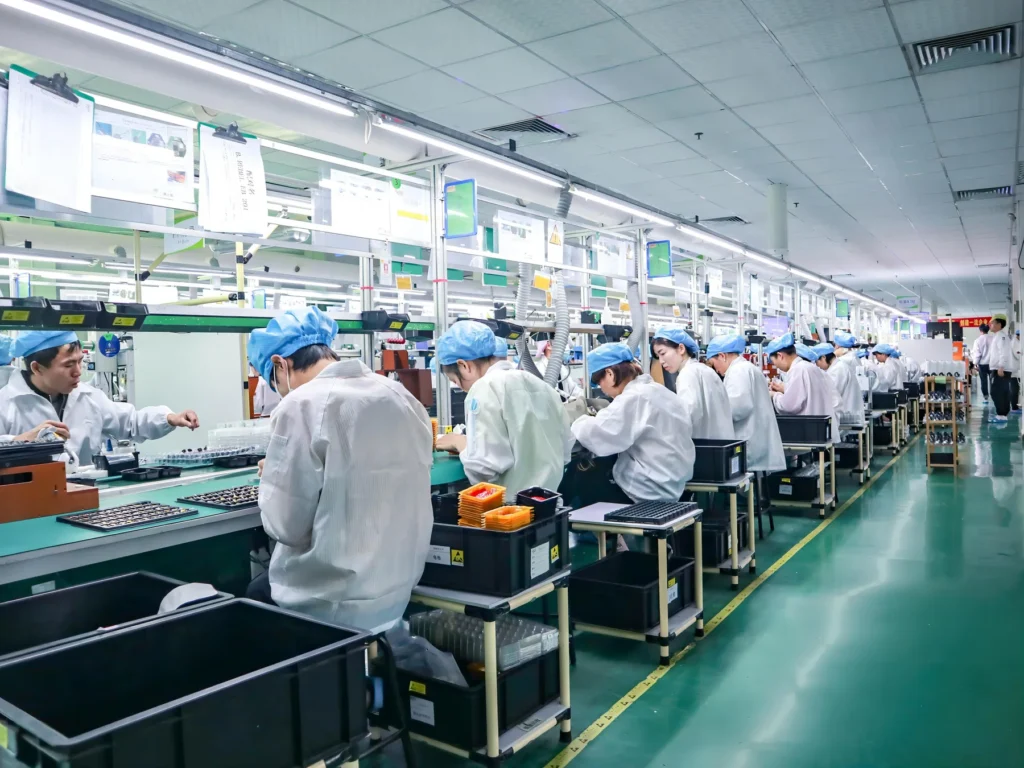
Through my work at Digcue Technology, I help brands and business buyers select earphones and audio accessories, clarify customization requirements, and coordinate with manufacturing partners. Over the years, these conversations at the fair have shaped how I approach that work.
The lesson I keep returning to is simple: successful audio sourcing depends on matching products to the customer’s sales channels, supporting informed decisions, and giving trust time to grow.
Why the Value of a Trade Fair Can Take Years to Appear
Some customers place an order soon after we meet. Others become business partners several years later.
At the first meeting, we may simply exchange contact details and discuss products. Over time, we learn more about each other’s markets, priorities, and ways of working. When a suitable project eventually comes along, we already have a foundation for cooperation.
Existing customers sometimes introduce me to their friends or business partners. Those introductions carry the confidence built through our previous work together.
This is what I mean by the compounding value of time. Each useful conversation and each project handled carefully contributes to the next opportunity.
A fair may last only a few days. The relationships formed there can develop over many years.

What Brand Owners and Distributors Bring to Product Selection
One situation that stood out to me this October was seeing brand owners and their distributors exploring products together.
As I helped a brand consider suitable audio products, its distributors joined the discussion. They contributed feedback from their sales channels and helped assess how the products might fit the next collection or purchasing plan.
Each participant brought information that the others needed.
The brand owner understood the brand’s positioning and direction. The distributor knew the customers, price expectations, and practical demands of the local channel. I contributed product options, manufacturing considerations, and information from upstream suppliers.
Together, we could look beyond the product in front of us and discuss how it would become part of a working business.
For me, this is an important part of B2B audio sourcing: connecting the people who understand the product with the people who understand its route to market.
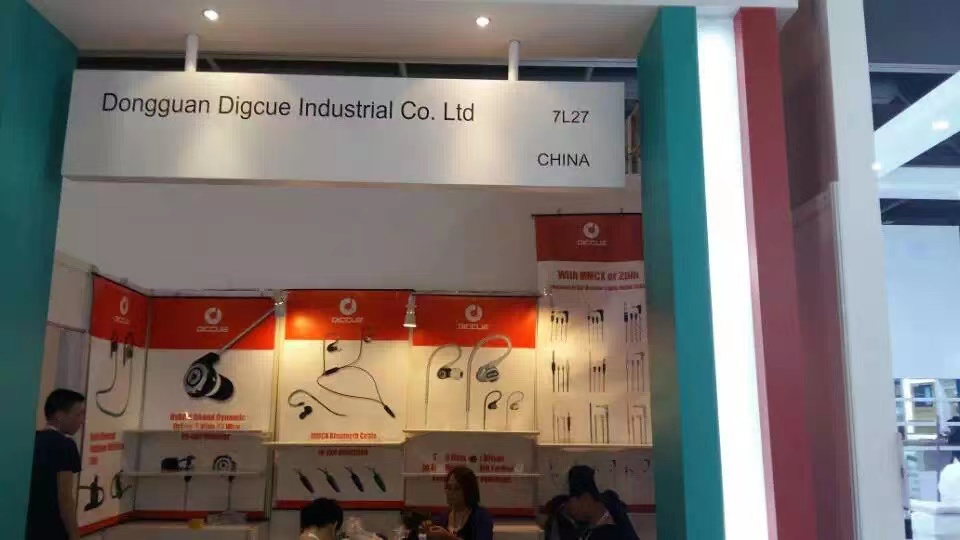
How I Match Earphones and Audio Accessories to Sales Channels
Before recommending a product, I want to understand where the customer is strongest.
Who are they selling to? Which channels do they know well? What does their current product range already offer? What are they trying to add or improve?
The same earphone can face very different expectations across different sales channels. Product styling, microphone configuration, connector options, packaging, retail positioning, and after-sales support can all influence its suitability.
For an earphone or audio accessory project, I find it useful to clarify:
- Target customers and use cases: Who will use the product, and for what purpose?
- Sales channels and positioning: Where will it be sold, and how should it fit the existing range?
- Product requirements: Which functions, connections, and compatibility needs must be confirmed?
- Customization scope: What changes are needed to the appearance, branding, or packaging?
- Commercial readiness: What quantity, budget, and launch timing can the customer realistically support?
These questions give product selection a practical direction. They also help identify what still needs to be checked before sampling or purchasing.
Why a Lower Purchase Price Does Not Guarantee a Better Business
Price matters in every sourcing conversation. However, a low unit price tells us only part of the story.
A product also needs to sell through the intended channel, leave room for reasonable margins, and create manageable service requirements. An inexpensive purchase can still become difficult inventory if the positioning or channel fit is wrong.
When I recommend products, I consider how the customer will bring them to market and support them afterward.
My aim is to help customers build a range they can continue selling with confidence. That gives the brand, distributor, and supply partners a stronger basis for future cooperation.
When It Makes Sense to Wait Before Placing an Order
Sometimes a customer likes a product, but the project is not ready to move forward.
The sales channel may still be developing. Product positioning may need further discussion. Existing inventory may need to be sold before another range is introduced.
In these situations, I prefer to understand the constraints and respect the timing.
An order placed too early can create pressure for the customer and make cooperation difficult for everyone involved. There is still useful work we can do before reaching that stage.
We can explore alternative products, compare configurations, discuss developments in upstream supply, or share observations from other markets. This gives the customer more context for deciding what to do next.
Helping a customer make a well-timed decision is part of the service I want to provide.

What Long-Term Cooperation Means at Digcue
For me, a long-term partnership involves practical investment from both sides.
Customers contribute trust, market knowledge, and access to their sales channels. We contribute time to understanding requirements, selecting products, coordinating with manufacturing partners, and following up on samples and quality issues.
Where commercially workable, we can also discuss support around selected models or cooperation terms to help a customer move a project forward.
The right arrangement depends on the project and on clear expectations between the partners.
A relationship can begin with a small order. What matters to me is whether the channel is developing healthily, the products are receiving useful market feedback, and each participant has a reason to keep investing in the cooperation.
That is how a project can grow into a lasting business relationship.
Over Time, Business Partners Become Friends
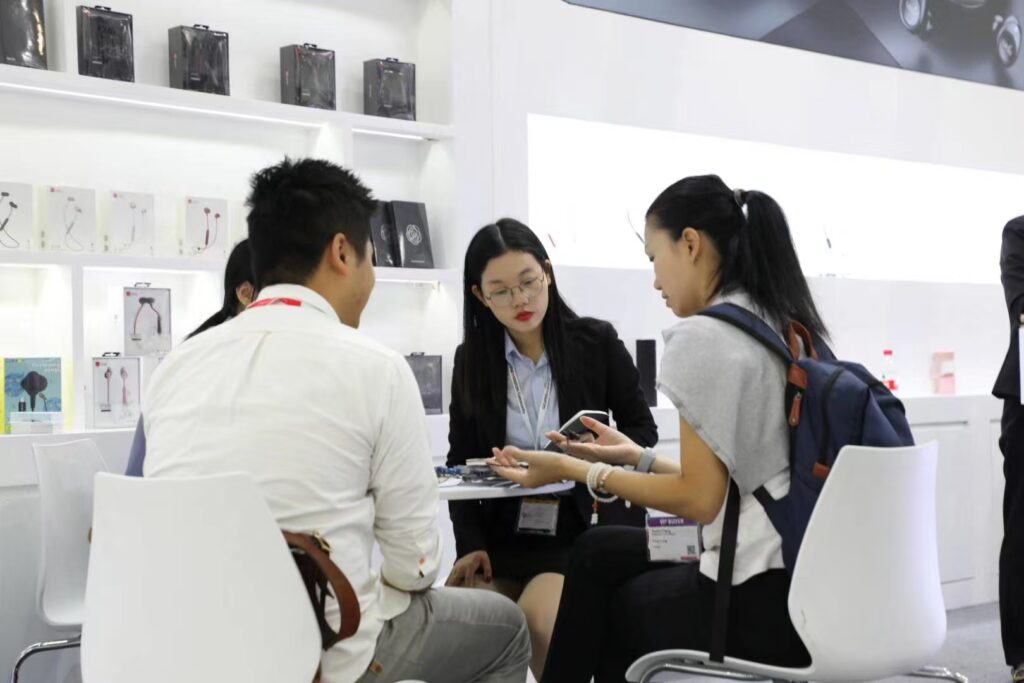
After so many years, our conversations at the fair naturally extend beyond products and orders.
We hear about weddings, children, and grandchildren. We learn how each other’s businesses and families have changed. Meeting once or twice a year becomes a chance to catch up with people whose lives we have watched unfold.
These relationships give a different meaning to returning to the same exhibition year after year.
When someone asks whether the Hong Kong Electronics Fair is worthwhile, I think about the customer who returned years after our first conversation, the partner who introduced me to a friend, and the familiar faces I look forward to seeing again.
This October reminded me why I continue to attend.
I come to understand what customers need, discover suitable products, and keep building relationships through useful work. Over time, those efforts create opportunities that would have been difficult to predict at the beginning.
That is the compounding value of trust.
About the author
Susan Liao is the founder of Digcue Technology and an audio product consultant based in Dongguan, China. With more than ten years of experience in the audio and earphone industry, she works with brands and B2B buyers on product selection, OEM/ODM requirements, supplier coordination, and sample and production quality follow-up.
Discuss your next audio project
If you are developing an earphone or audio accessory range, share your target market, sales channels, product requirements, and expected order quantity with Digcue. These details help us assess suitable options and identify the next steps for your project.